Build an SEO customer acquisition system that connects search intent, content, landing pages, conversion tracking, and a practical 90-day growth plan.
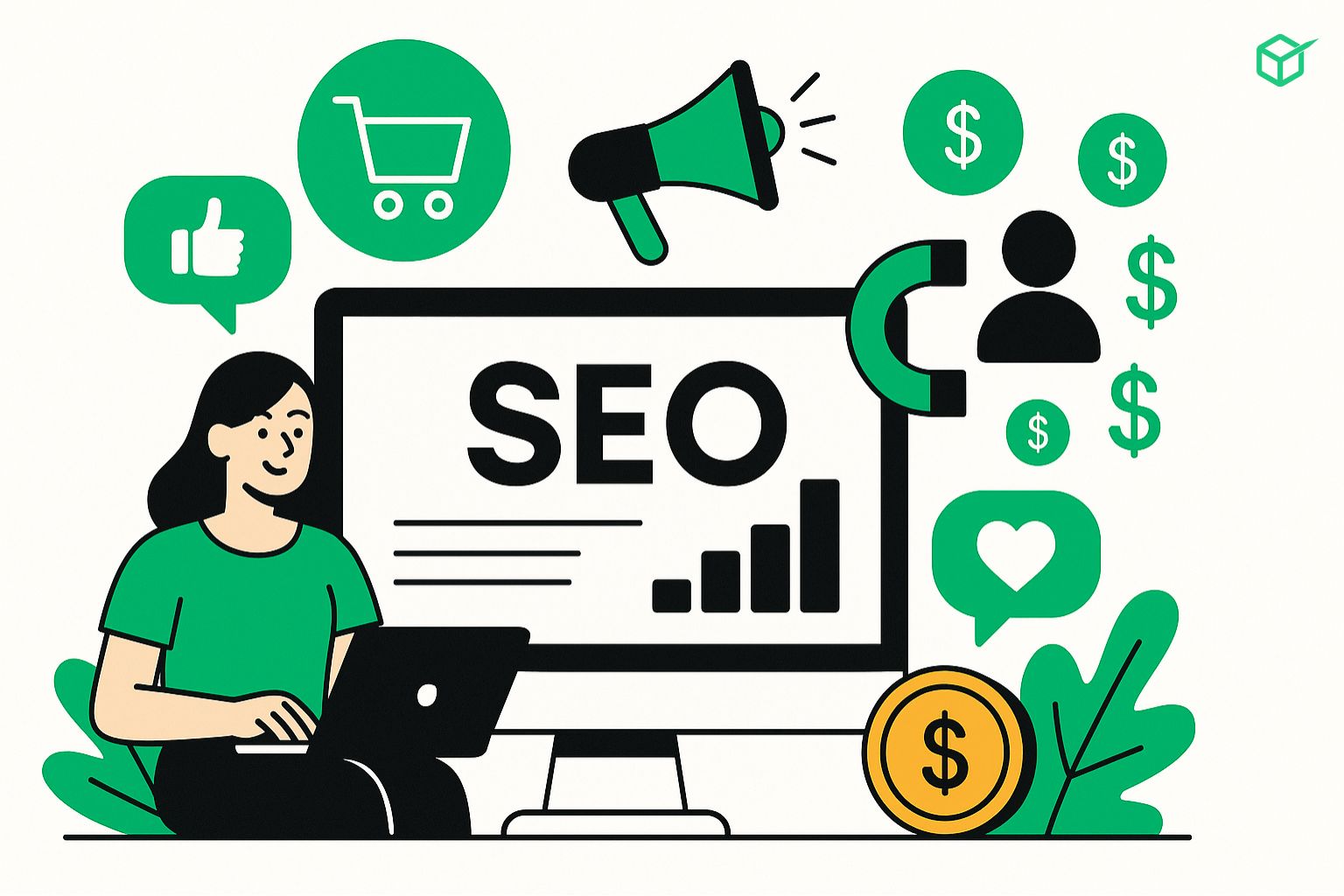
SEO plays a critical role at the top of the customer acquisition funnel by driving lead generation, but its influence extends beyond that; it also strengthens branding and supports lead nurturing. In lead generation, the process is straightforward: potential customers find your business through search engines, visit your website, and may convert into leads. However, SEO’s branding power is equally significant. Ranking highly for multiple keywords within your niche signals industry authority, reinforcing your credibility. These rankings are often driven by high-quality, informative content, positioning your business as a trusted thought leader.
This article examines strategies to enhance your SEO efforts for both lead generation and brand visibility, enabling you to establish a sustainable, cost-effective channel for attracting and converting new customers.
How SEO Powers Effective Customer Acquisition Across Channels and Strategies
A successful customer acquisition strategy relies on aligning your digital marketing efforts with the customer journey, using SEO as a core driver of business growth. Whether you’re a startup looking to attract your ideal customer or an established brand aiming for sustainable growth, SEO provides a low-CAC path to reaching and converting prospective customers.
The role of SEO in acquisition efforts starts with identifying your target audience and tailoring content to their needs. This begins with defining a detailed customer profile, followed by optimizing each piece of content—whether it’s a landing page, a blog post, or your Google My Business listing—to appear at the top of the search engine results pages.
Incorporating technical SEO, advanced SEO, and content relevance ensures that your brand reaches the right customers at the right stage of the customer acquisition funnel. This process not only helps attract new customers but also supports the customer retention strategy by delivering a seamless customer experience.
An effective customer acquisition plan combines organic search with multiple acquisition channels, such as referral programs, LinkedIn outreach, email marketing, and e-commerce platforms. Using SEO to support digital marketing strategies enables businesses to reduce customer acquisition costs while improving the number of new customers acquired through organic and paid efforts.
To acquire new customers consistently, focus on creating valuable content that answers real questions, earns backlinks, and meets the expectations of your best customers. Sustainable customer acquisition depends on delivering relevant solutions, engaging touchpoints, and a compelling marketing campaign tailored to your products or services.
From client acquisition to growing your customer base, SEO services can serve as a powerful customer acquisition engine. Whether working with an SEO agency or managing in-house efforts, optimizing for keywords, user intent, and content performance is key to building a reliable source of new customers.
Modern strategies may also include AI SEO and LLM SEO techniques, integrating machine learning to scale your content and improve rankings. These innovations can drive new business by helping more visitors become customers at lower costs.
Ultimately, combining SEO and customer acquisition into a cohesive marketing strategy enables businesses to attract more customers, increase customer lifetime value, and maintain a competitive edge in every marketing channel. When done right, SEO leads to long-term success with more paying customers and a stronger presence on the first page of Google.
Building a Solid SEO Strategy for New Customer Acquisition
New customer acquisition is one of the most critical goals for any business, especially in the highly competitive e-commerce landscape. To succeed, companies must develop an effective customer acquisition strategy that combines organic search visibility with content relevance and user intent.
A solid SEO approach starts by identifying the best customer acquisition methods for your business model. These may include optimizing every piece of content to align with search intent, targeting long-tail keywords, and ensuring fast-loading, mobile-friendly pages. Each optimized page becomes an entry point for potential customers to discover your brand through search results.
Reducing CAC—customer acquisition cost—should remain a key objective throughout your SEO and content planning. To do this, follow SEO best practices such as maintaining a consistent publishing schedule, improving internal linking, and updating high-performing content regularly.
Customer acquisition efforts that are driven by high-quality content and technical SEO not only attract traffic but also convert that traffic into leads and sales. In e-commerce, where competition is steep and buying decisions are often made in seconds, having a reliable SEO framework in place can be the difference between stagnant growth and long-term success.
By aligning your content marketing with SEO best practices and refining your customer acquisition strategy over time, you can ensure scalable, cost-effective growth across all channels.

How to Use SEO for Customer Acquisition
SEO plays a central role in customer acquisition by targeting users at the top of the sales funnel. It drives lead generation, builds brand awareness, and supports long-term engagement through organic traffic. By aligning your SEO strategy with the various stages of the acquisition funnel, you can attract qualified leads, guide them toward conversion, and lower your overall customer acquisition cost.
SEO and Lead Generation
Search engine optimization for lead generation relies on understanding search intent—the reason behind a user’s query. When optimizing for customer acquisition, focus on the transactional end of the search intent spectrum, where users are closest to making a purchase decision.
Types of Transactional Search Intent
| Search Intent | Description | Examples |
| Evaluate | Users are comparing solutions but haven’t chosen a provider yet. | “Best project management tool 2025”, “CPU benchmark comparison” |
| Commit | Users are interested in a solution and seek more information before purchasing. | “project management software pricing”, “best budget CPU for gaming” |
| Buy | Users are ready to purchase and look for specific instructions. | “buy Ryzen 7700X”, “download Trello app” |
Optimizing for these keyword types helps improve organic traffic to attract customers who are likely to convert.
Hub & Spoke Keyword Strategy
Use the Hub & Spoke model to structure your content. Choose 3–5 core keywords and create supporting content targeting long-tail variations that include those core terms. This shows Google that your site is a niche expert, improving your ability to rank competitively.
For example, if “project management software” is your hub keyword, spoke content could target terms like:
- “Best project management software for remote teams”
- “How to implement project management software”
- “Project management tools for small business”
This approach not only strengthens rankings but also drives qualified leads with SEO.
Content Publishing Frequency
To gain traction, maintain a consistent content calendar—ideally publishing two pages per week. This:
- Creates more entry points for prospects through search.
- Signals domain authority to Google.
- Increases the odds of capturing top positions, which often receive over 39% of all clicks.
Regular updates are also key. After 6–9 months, revisit your most valuable pages and keywords using a content optimization model. Refreshing content keeps it relevant and helps retain rankings.
SEO and Branding
While lead generation targets high-intent queries, branding SEO focuses on informational keywords, reaching users earlier in the decision-making process. This part of SEO supports thought leadership, which helps establish authority in your niche and boosts brand visibility.
Types of Research-Oriented Search Intent
| Search Intent | Description | Examples |
| Learn | Users seek basic information. | “What is a CPU?”, “What is customer acquisition?” |
| Explore | Users begin considering a need. | “Do I need CRM software?”, “Why use fleet tracking?” |
| Clarify | Users recognize a problem but don’t understand it. | “symptoms of outdated software”, “project delays causes” |
| Solve | Users know their problem and want actionable advice. | “How to improve customer retention”, “How to optimize website performance” |
Targeting these queries with authoritative, non-promotional content builds trust. Users aren’t ready to buy, so overt sales language is counterproductive. Instead, provide value through educational blog posts, how-to guides, and deep resource articles.
As users engage with this content, they become more familiar with your offerings. Over time, they’re more likely to convert when they reach the commit or buy stages.
Content Repurposing Across Channels
SEO-driven content also fuels other parts of the acquisition funnel. For example:
- Repurpose educational articles into email campaigns for lead nurturing.
- Share top-performing posts via organic social media.
- Convert blog content into downloadable resources for gated content strategies.
This content marketing for customer acquisition improves ROI across all channels by extending the reach of your SEO investment.
Implementing SEO in the Acquisition Funnel
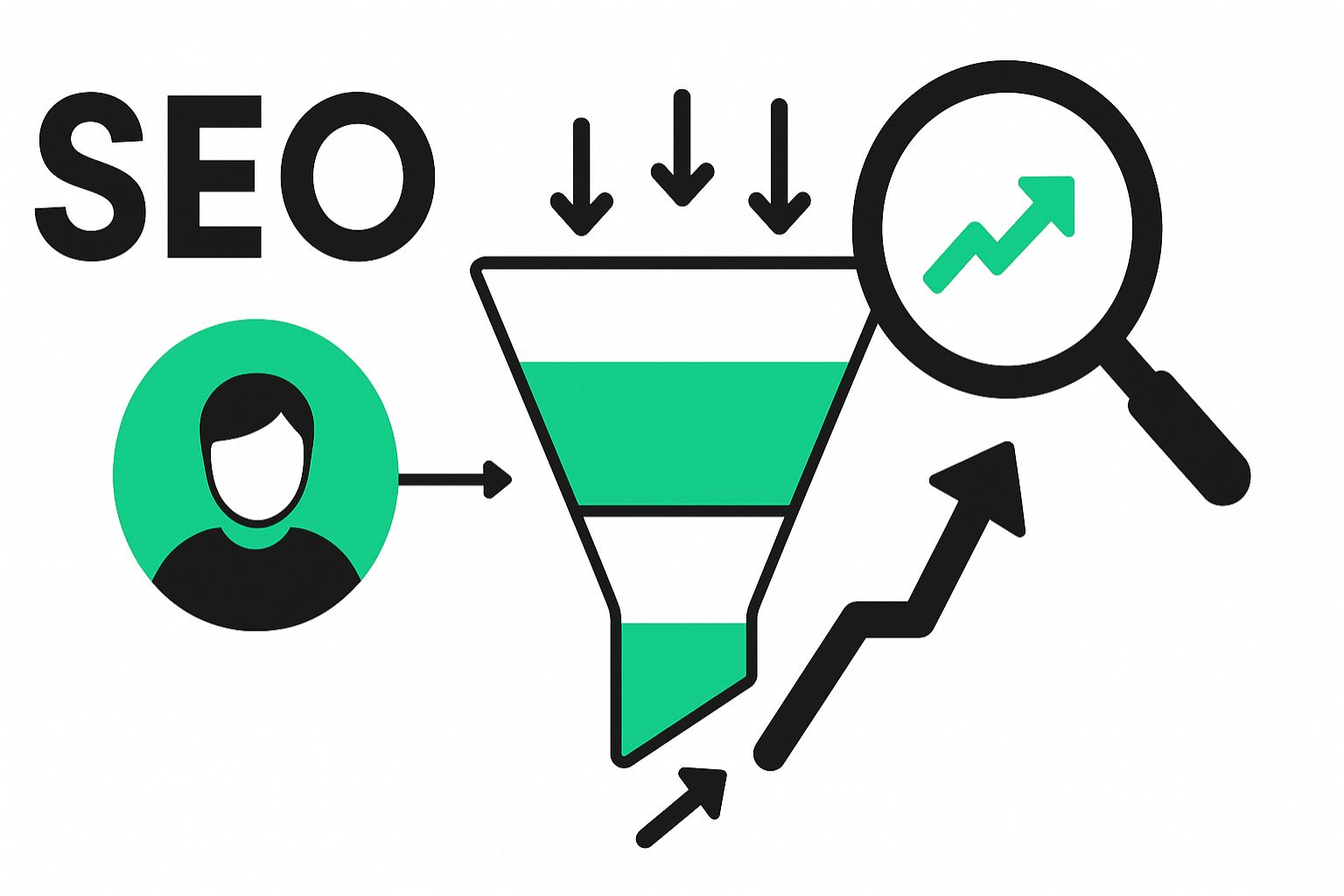
Executing a successful SEO strategy requires:
- Keyword research aligned with search intent
- Content structured using the Hub & Spoke model.
- Regular publishing and content refresh cycles
- A balance between transactional and informational content
Because SEO and sales funnel alignment are complex, this process requires consistency, technical skills, and time. However, when implemented properly, it becomes a low-cost customer acquisition strategy that delivers long-term results.
Additional Related LSI Phrases Incorporated in This Article:
- Customer acquisition strategy using SEO
- Inbound marketing with SEO
- SEO funnel for customer acquisition
- SEO and sales funnel alignment
- Targeting high-intent keywords for conversions
- SEO lead-nurturing techniques
- Attracting potential customers with content
- SEO strategies for top-of-funnel growth
- Converting search traffic into customers
- Low-cost customer acquisition via SEO
SEO plays a critical role at the top of the customer acquisition funnel by driving lead generation, but its influence extends beyond that; it also strengthens branding and supports lead nurturing. In lead generation, the process is straightforward: potential customers find your business through search engines, visit your website, and may convert into leads. However, SEO’s branding power is equally significant. Ranking highly for multiple keywords within your niche signals industry authority, reinforcing your credibility. These rankings are often driven by high-quality, informative content, positioning your business as a trusted thought leader.
This article examines strategies to enhance your SEO efforts for both lead generation and brand visibility, enabling you to establish a sustainable, cost-effective channel for attracting and converting new customers.
How SEO Powers Effective Customer Acquisition Across Channels and Strategies
A successful customer acquisition strategy relies on aligning your digital marketing efforts with the customer journey, using SEO as a core driver of business growth. Whether you’re a startup looking to attract your ideal customer or an established brand aiming for sustainable growth, SEO provides a low-CAC path to reaching and converting prospective customers.
The role of SEO in acquisition efforts starts with identifying your target audience and tailoring content to their needs. This begins with defining a detailed customer profile, followed by optimizing each piece of content—whether it’s a landing page, a blog post, or your Google My Business listing—to appear at the top of the search engine results pages.
Incorporating technical SEO, advanced SEO, and content relevance ensures that your brand reaches the right customers at the right stage of the customer acquisition funnel. This process not only helps attract new customers but also supports the customer retention strategy by delivering a seamless customer experience.
An effective customer acquisition plan combines organic search with multiple acquisition channels, such as referral programs, LinkedIn outreach, email marketing, and e-commerce platforms. Using SEO to support digital marketing strategies enables businesses to reduce customer acquisition costs while improving the number of new customers acquired through organic and paid efforts.
To acquire new customers consistently, focus on creating valuable content that answers real questions, earns backlinks, and meets the expectations of your best customers. Sustainable customer acquisition depends on delivering relevant solutions, engaging touchpoints, and a compelling marketing campaign tailored to your products or services.
From client acquisition to growing your customer base, SEO services can serve as a powerful customer acquisition engine. Whether working with an SEO agency or managing in-house efforts, optimizing for keywords, user intent, and content performance is key to building a reliable source of new customers.
Modern strategies may also include AI SEO and LLM SEO techniques, integrating machine learning to scale your content and improve rankings. These innovations can drive new business by helping more visitors become customers at lower costs.
Ultimately, combining SEO and customer acquisition into a cohesive marketing strategy enables businesses to attract more customers, increase customer lifetime value, and maintain a competitive edge in every marketing channel. When done right, SEO leads to long-term success with more paying customers and a stronger presence on the first page of Google.
Building a Solid SEO Strategy for New Customer Acquisition
New customer acquisition is one of the most critical goals for any business, especially in the highly competitive e-commerce landscape. To succeed, companies must develop an effective customer acquisition strategy that combines organic search visibility with content relevance and user intent.
A solid SEO approach starts by identifying the best customer acquisition methods for your business model. These may include optimizing every piece of content to align with search intent, targeting long-tail keywords, and ensuring fast-loading, mobile-friendly pages. Each optimized page becomes an entry point for potential customers to discover your brand through search results.
Reducing CAC—customer acquisition cost—should remain a key objective throughout your SEO and content planning. To do this, follow SEO best practices such as maintaining a consistent publishing schedule, improving internal linking, and updating high-performing content regularly.
Customer acquisition efforts that are driven by high-quality content and technical SEO not only attract traffic but also convert that traffic into leads and sales. In e-commerce, where competition is steep and buying decisions are often made in seconds, having a reliable SEO framework in place can be the difference between stagnant growth and long-term success.
By aligning your content marketing with SEO best practices and refining your customer acquisition strategy over time, you can ensure scalable, cost-effective growth across all channels.
How to Use SEO for Customer Acquisition
SEO plays a central role in customer acquisition by targeting users at the top of the sales funnel. It drives lead generation, builds brand awareness, and supports long-term engagement through organic traffic. By aligning your SEO strategy with the various stages of the acquisition funnel, you can attract qualified leads, guide them toward conversion, and lower your overall customer acquisition cost.
SEO and Lead Generation
Search engine optimization for lead generation relies on understanding search intent—the reason behind a user’s query. When optimizing for customer acquisition, focus on the transactional end of the search intent spectrum, where users are closest to making a purchase decision.
Types of Transactional Search Intent
| Search Intent | Description | Examples |
| Evaluate | Users are comparing solutions but haven’t chosen a provider yet. | “Best project management tool 2025”, “CPU benchmark comparison” |
| Commit | Users are interested in a solution and seek more information before purchasing. | “project management software pricing”, “best budget CPU for gaming” |
| Buy | Users are ready to purchase and look for specific instructions. | “buy Ryzen 7700X”, “download Trello app” |
Optimizing for these keyword types helps improve organic traffic to attract customers who are likely to convert.
Hub & Spoke Keyword Strategy
Use the Hub & Spoke model to structure your content. Choose 3–5 core keywords and create supporting content targeting long-tail variations that include those core terms. This shows Google that your site is a niche expert, improving your ability to rank competitively.
For example, if “project management software” is your hub keyword, spoke content could target terms like:
- “Best project management software for remote teams”
- “How to implement project management software”
- “Project management tools for small business”
This approach not only strengthens rankings but also drives qualified leads with SEO.
Content Publishing Frequency
To gain traction, maintain a consistent content calendar—ideally publishing two pages per week. This:
- Creates more entry points for prospects through search.
- Signals domain authority to Google.
- Increases the odds of capturing top positions, which often receive over 39% of all clicks.
Regular updates are also key. After 6–9 months, revisit your most valuable pages and keywords using a content optimization model. Refreshing content keeps it relevant and helps retain rankings.
SEO and Branding
While lead generation targets high-intent queries, branding SEO focuses on informational keywords, reaching users earlier in the decision-making process. This part of SEO supports thought leadership, which helps establish authority in your niche and boosts brand visibility.
Types of Research-Oriented Search Intent
| Search Intent | Description | Examples |
| Learn | Users seek basic information. | “What is a CPU?”, “What is customer acquisition?” |
| Explore | Users begin considering a need. | “Do I need CRM software?”, “Why use fleet tracking?” |
| Clarify | Users recognize a problem but don’t understand it. | “symptoms of outdated software”, “project delays causes” |
| Solve | Users know their problem and want actionable advice. | “How to improve customer retention”, “How to optimize website performance” |
Targeting these queries with authoritative, non-promotional content builds trust. Users aren’t ready to buy, so overt sales language is counterproductive. Instead, provide value through educational blog posts, how-to guides, and deep resource articles.
As users engage with this content, they become more familiar with your offerings. Over time, they’re more likely to convert when they reach the commit or buy stages.
Content Repurposing Across Channels
SEO-driven content also fuels other parts of the acquisition funnel. For example:
- Repurpose educational articles into email campaigns for lead nurturing.
- Share top-performing posts via organic social media.
- Convert blog content into downloadable resources for gated content strategies.
This content marketing for customer acquisition improves ROI across all channels by extending the reach of your SEO investment.
Implementing SEO in the Acquisition Funnel
Executing a successful SEO strategy requires:
- Keyword research aligned with search intent
- Content structured using the Hub & Spoke model.
- Regular publishing and content refresh cycles
- A balance between transactional and informational content
Because SEO and sales funnel alignment are complex, this process requires consistency, technical skills, and time. However, when implemented properly, it becomes a low-cost customer acquisition strategy that delivers long-term results.
Additional Related LSI Phrases Incorporated in This Article:
- Customer acquisition strategy using SEO
- Inbound marketing with SEO
- SEO funnel for customer acquisition
- SEO and sales funnel alignment
- Targeting high-intent keywords for conversions
- SEO lead-nurturing techniques
- Attracting potential customers with content
- SEO strategies for top-of-funnel growth
- Converting search traffic into customers
- Low-cost customer acquisition via SEO
A 90-Day SEO Customer Acquisition Playbook
SEO becomes a dependable acquisition channel when each search intent has a clear next step. The goal is not to collect traffic for its own sake. The goal is to help the right visitor move from a question to a useful resource, a credible service page, and a measurable conversion. Use this 90-day framework to connect content, technical SEO, conversion design, and sales follow-up.
Days 1–30: Build the acquisition foundation
Start by defining the customer segments that matter most to the business. For each segment, document the problem they are trying to solve, the language they use, the geographic or industry modifiers that affect the search, and the action you want them to take. Then map keywords to three practical intent groups:
- Problem-aware: searches that describe a symptom, risk, or business challenge.
- Solution-aware: searches that compare approaches, tools, services, or providers.
- Decision-ready: searches that include terms such as pricing, agency, consultant, audit, quote, or near me.
Assign one primary page to each keyword cluster so several articles do not compete for the same intent. Decision-ready terms usually belong on service, location, comparison, or pricing pages. Educational terms usually belong in guides that answer the question fully and point naturally to the relevant commercial page.
During the same month, confirm that analytics can distinguish meaningful conversions from casual visits. Track form submissions, booked calls, qualified phone leads, newsletter signups, and other actions that represent real progress. Add campaign and landing-page fields to the CRM when possible so the sales team can connect a closed customer to the organic entry page that started the journey.
Days 31–60: Publish connected content and landing pages
Create a small topic cluster instead of a collection of unrelated posts. A strong cluster might include one comprehensive guide, two or three articles that answer narrower questions, one comparison page, one case study, and one commercial landing page. Link the supporting articles to the guide and the guide to the relevant service page using descriptive anchor text. Add links in both directions when they help the reader continue the journey.
Every decision-stage landing page should make the offer easy to understand. State who the service is for, the problems it addresses, what is included, what the engagement process looks like, and what a prospect should do next. Add evidence that reduces uncertainty: relevant work examples, a transparent methodology, team expertise, realistic timelines, and answers to common objections. Avoid vague claims that could apply to any agency.
Refresh older pages before publishing more content. Consolidate overlapping articles, remove outdated examples, repair broken links, and expand sections that do not satisfy the current search intent. Updating a page should improve its usefulness—not just change the date.
Days 61–90: Improve conversion and prove revenue impact
Review Search Console queries, organic landing-page sessions, engagement, conversion rate, lead quality, and sales outcomes together. A page with modest traffic and several qualified inquiries may be more valuable than a high-traffic article that never influences a sale. Segment branded and non-branded search so existing brand demand is not mistaken for new customer acquisition.
Use the data to find the weakest step in the path. If impressions are growing but clicks are flat, improve the title and description while keeping them accurate. If visitors arrive but do not convert, strengthen the offer, proof, page speed, mobile experience, or call to action. If leads convert poorly, revisit keyword intent and clarify who the service is designed for.
SEO acquisition scorecard
- Qualified non-branded impressions and clicks
- Organic visits to commercial landing pages
- Conversion rate by landing page and device
- Marketing-qualified and sales-qualified organic leads
- Booked calls, proposals, and closed revenue influenced by organic search
- Time from first organic visit to conversion
- Customer acquisition cost, including content, tools, and delivery resources
- Assisted conversions from visitors who first discovered the brand through search
Review leading indicators weekly and revenue outcomes monthly or quarterly, depending on the sales cycle. Use annotations for major content changes, migrations, tracking updates, and campaigns so performance shifts have context.
Common mistakes that weaken SEO acquisition
Avoid sending every visitor to the homepage, publishing several pages for the same keyword, measuring only rankings, or hiding the next step behind a generic contact form. Do not force a sales pitch into an early-stage informational article. Instead, match the call to action to the visitor’s level of intent: a checklist for research, a comparison for evaluation, and a consultation or audit for a decision-ready prospect.
The most resilient SEO acquisition program combines search visibility with a useful offer, trustworthy proof, fast pages, clear internal paths, and reliable lead attribution. When those pieces work together, organic search can contribute customers—not just sessions.